OUR PLANTS

Cupuaçu

Recognized for its ultra-nourishing virtues on dry hair

All about our Cupuaçu butter

Cultivated in the Amazon, cupuaçu is a star active ingredient of our cosmetic care. We extract a butter with exceptional nutritional power.

Cupuaçu plante

USE NAME 
Cupuaçu

PART USED 
Seeds

BOTANICAL NAME 
Theobroma grandiflorum

GALENIC FORM  
Butter extracted from dried and pressed seeds

INCI NAME
Theobroma grandiflorum seed butter

ORIGIN 
Amazonia

HARVEST
From January to June

THREAD
Organic agriculture in agroforestry and circular economy

What does it look like?

Theobroma grandiflorum (or cupuassou) is a tree close to the cocoa tree. It is native to the south and southeast of the Brazilian Amazon, and measures between 5 to 15 meters in height.

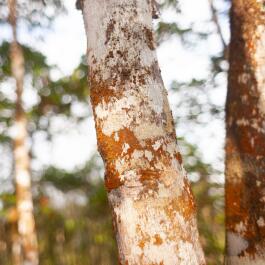
​Its bark is brown. Its leaves are long and have marked veins. The young leaves are pink-purplish in color and become green as they grow.

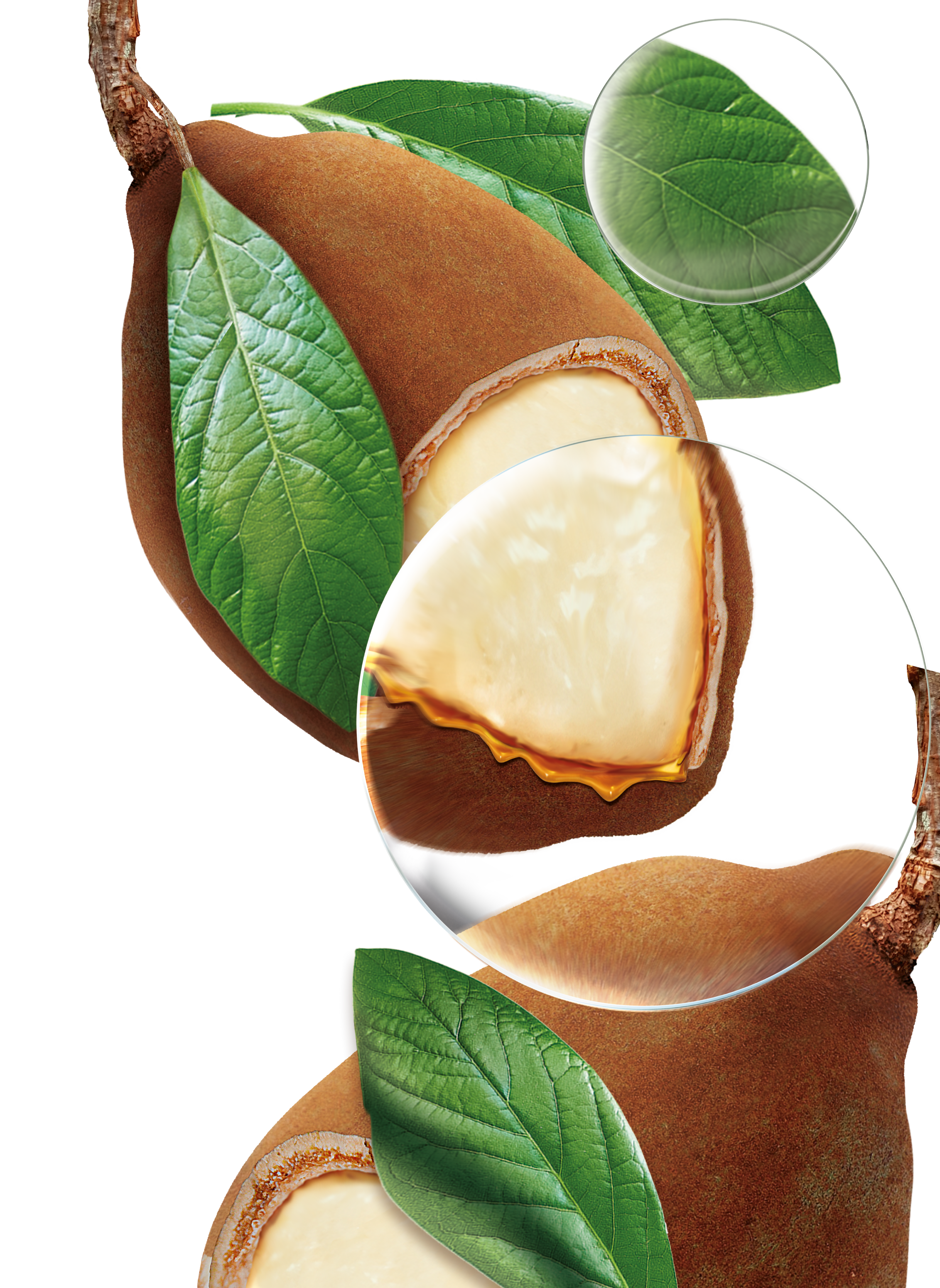
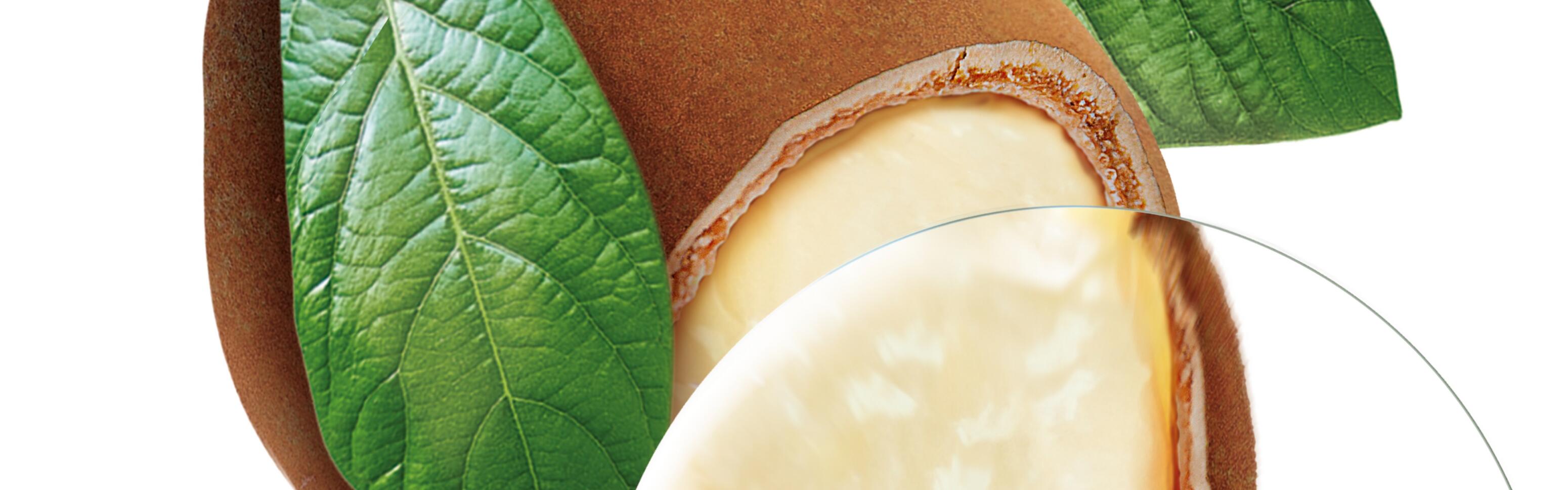
​The fruit of the cupuaçu is a round to oblong pod, covered with brown down. It can reach 20 cm long and 10 cm in diameter, and weigh 1 to 2 kg, making it the largest fruit in the family.

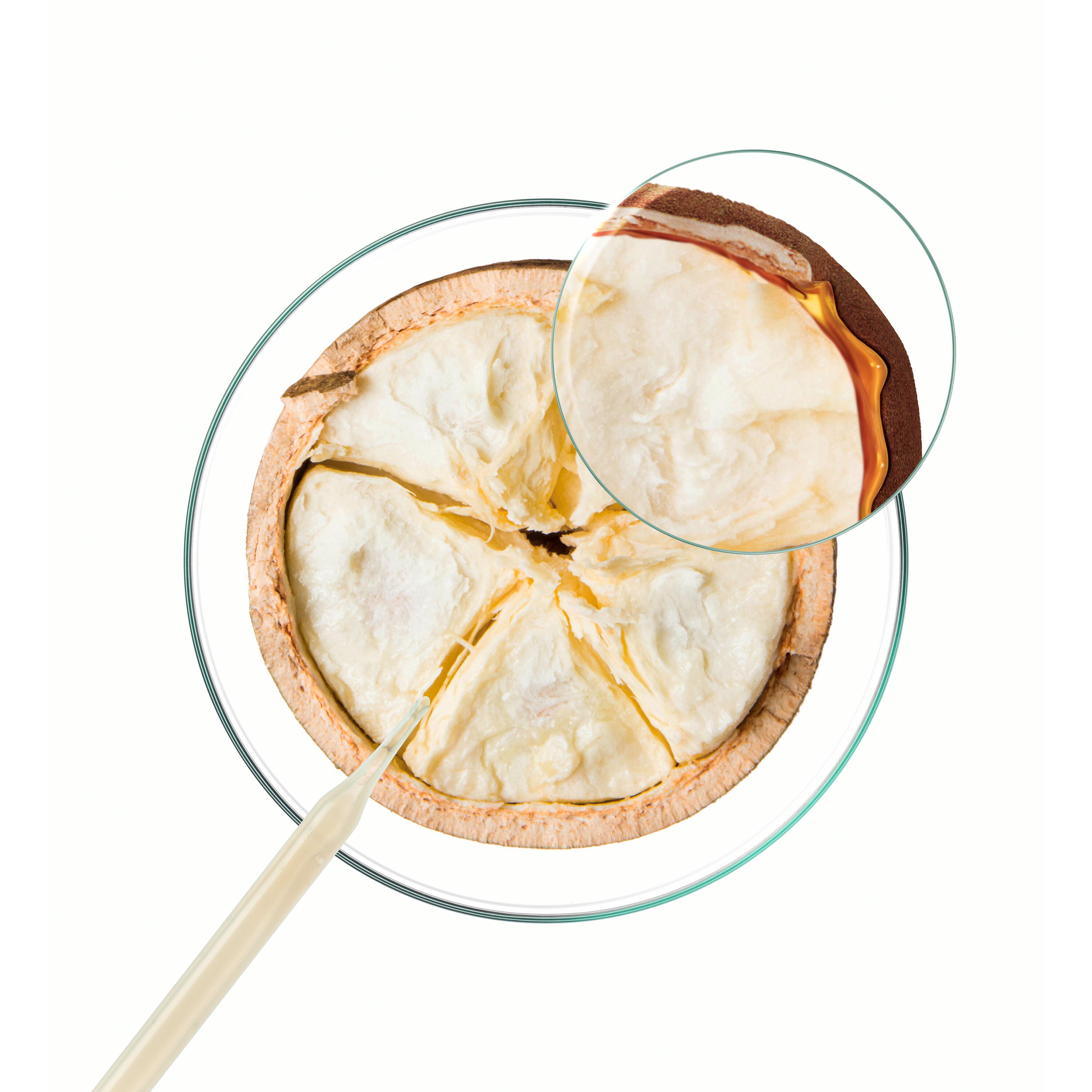
​The fruits of the cupuaçu appear from January to May. Cupuaçu pods mainly contain this white pulp with a powerful smell described as a mixture of chocolate and pineapple.

arbre cupuaçu

THE VIRTUES OF OUR CUPUAÇU

Why is it so good for your dry hair?

The fruit of cupuaçu contains beans that must be dried, then pressed to extract a golden oil that freezes into a butter with extraordinary nutritional properties. Well known by the Indian populations of the Amazon, who use it to take care of their hair and moisturize their skin, the cupuaçu allows to fight effectively against skin dryness but also to repair very dry and damaged hair.

Thanks to its nutritional benefits, cupuaçu effectively helps to hydrate this hydrolipidic film. That’s why we have made it the flagship ingredient of our body range as well as our hair care products.

A WORD FROM THE EXPERT

Cupuaçu butter is the best natural ingredient to deeply moisturize, whether the skin or hair. It is 1.5 times more nutritious than shea butter.

ALEXANDRE PANEL

Klorane Botanist

Societal and environmental commitment

Klorane Botanical Foundation has chosen to support the development of agroforestry in northern Brazil. 

In order to improve the impact of crops on the environment, the Klorane Botanical Foundation is working locally with the Beracca Institute to support the establishment of an organic crop of cupuaçu in the Amazon at Bella Orora and Santa Luzia, in northern Brazil.  There, the Amazon forests lose 8000 km2 each year to extensive cultivation. The objective is twofold: to allow local populations to live better thanks to the diversity of selected plants and to recreate a balanced ecosystem.

kl_cupuacu_active-ingredient_field_plant_2019 -20-
kl_cupuacu_active-ingredient_field_plant_2019 -1-

Organic farming

As a real lever in the fight against deforestation and poverty, agroforestry, among other things thanks to crop diversification, already restores soil fertility and enriches biodiversity. It contributes to improving water quality and even storing carbon to contribute to the fight against global warming.

Following the principles of agroforestry, Klorane Botanical Foundation has planted more than 3,000 plants of Cupuaçu and other plant species.

Did you know ?

The cupuaçu is a plant consumed locally for its pulp giving a delicious juice. In Brazil, it enters the list of common fruits to concoct desserts, candies, ice creams and drinks. Ideal for making smoothies, it goes excellently well with banana or vanilla!

Discover the Cupuaçu Range

A complete range of eco-designed hair care and bodycare with Cupuaçu BIO, to deeply nourish and repair dry skin and hair.

Routine cheveux réparation

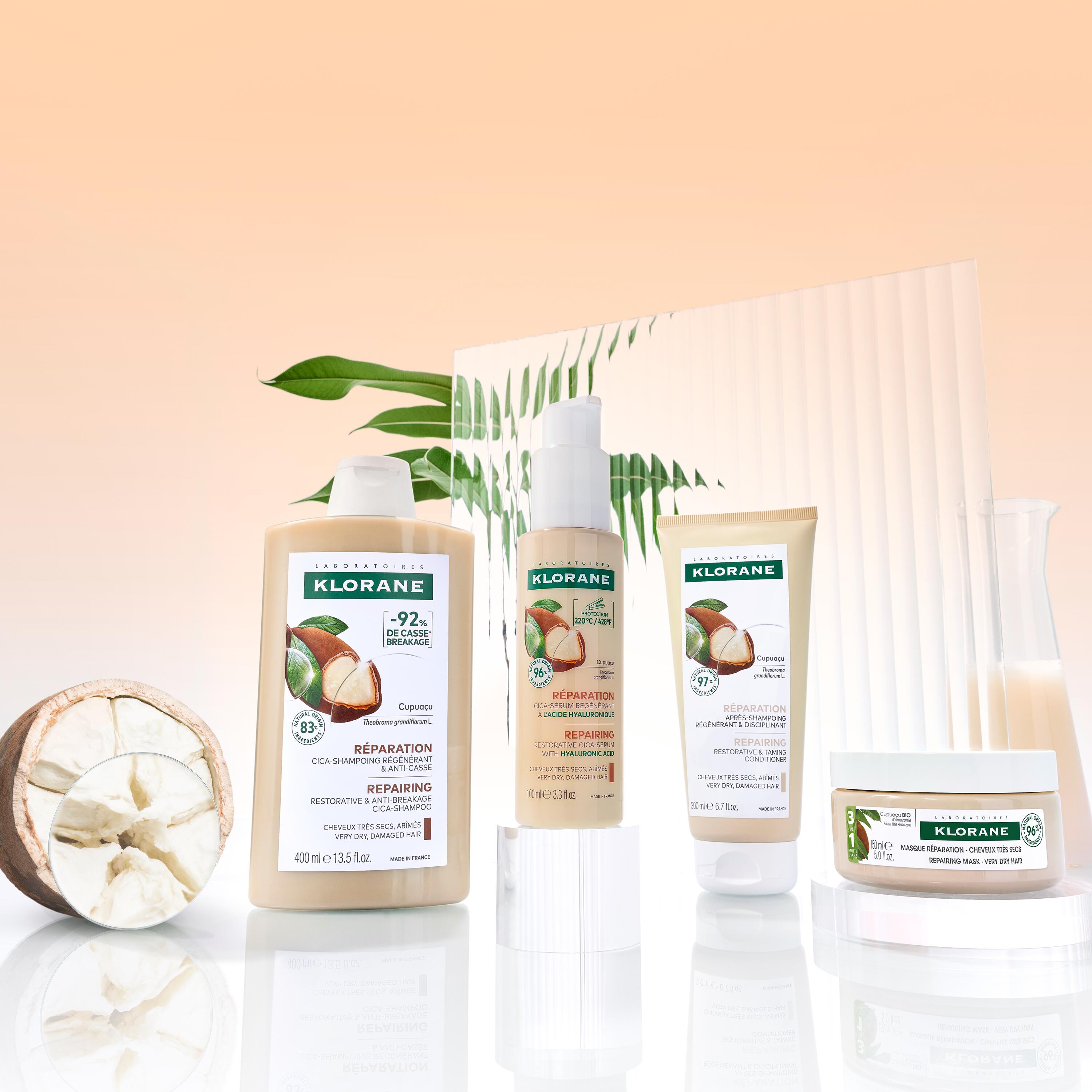
Our products formulated with Cupuaçu

A haircare range to nourish and repair the driest hair and a bodycare range to intensely nourish dry skin.

    Discover our botanical actives

    At Klorane, we reveal the best of nature to offer care to all.

    • kl_cornflower_active-ingredient_field_plant_2020-38-

      Cornflower

      The Centaurea cyanus, known as cornflower, is included in the European pharmacopoeia for its soothing and decongesting properties.
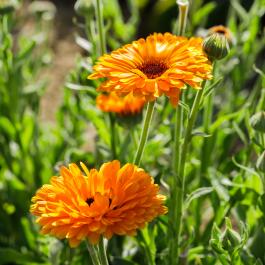
    • kl_calendula_active-ingredient_field_plant_2019 -42-

      Calendula

      We have chosen Calendula to gently introduce babies to the benefits of nature, while taking care of their fragile skin with its soothing properties
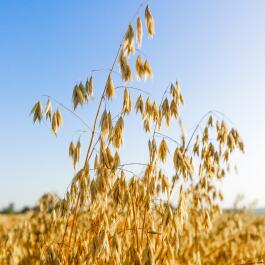
    • kl_oat_active-ingredient_field_plant_2017 -9-

      Oats

      One of our favourite active ingredients at Klorane, particularly for its richness in carbohydrates, lipids and vitamins which give it moisturising, softening and protective properties.
    • kl_pomegranate_actif_picture

      Pomegranate

      Hand-picked pomegranate bark is dried in the sun to concentrate its active ingredients, we then derive a patented extract with fixative properties.
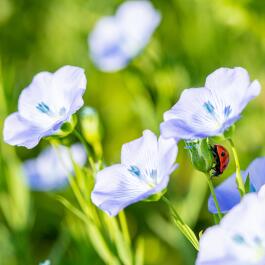
    • KL_PHOTO_FLAX_FIELD_4_JULY2019

      Flax

      We have selected flaxseed for its rich mucilage, a true reinforcement that naturally lifts the hair.
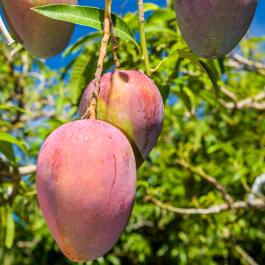
    • kl_mango_active-ingredient_stock_website_active-page -5-

      Mango

      We selected mango because it is richness in nutritious fatty acids. Our experts extract a rich butter from the kernel that deeply nourishes and hydrates dry hair.
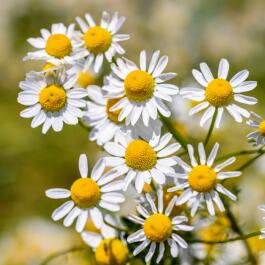
    • kl_chamomile_active-ingredient_field_plant_2019 -64-

      Chamomile

      We chose Chamomile because of the yellow pigment found in its flowers, which has lightening properties.
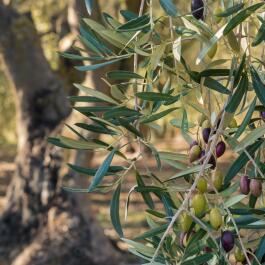
    • kl_olive_ingredient_active_field -2-

      The Olive tree

      Klorane chose the olive tree for the exceptional anti-ageing properties of its fruit. The olive tree has been a symbol of resistance and longevity since antiquity.
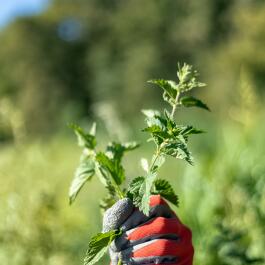
    • KL_HAIR_NETTLE_Pictures_field_glove_2020

      Nettle

      Nettle was used in traditional medicine for its astringent and anti-inflammatory properties. The roots of the nettle contain an abundance of natural sebum-regulating active ingredients.
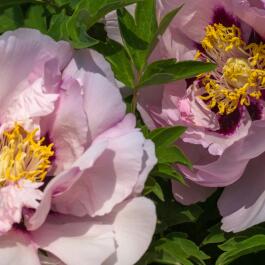
    • kl_peony_active-ingredient_field_plant_2019 -40-

      Peony

      Klorane has chosen the Chinese Peony, valued in traditional medicine for its soothing effect, relaxing fragrance properties
    • kl_quinine_active-ingredient_field_plant_2020 -35-

      Quinine

      Quinquina, a tree native to South America, was brought to Europe in the 17th century. Quinine is extracted from its bark and was traditionally used as a tonic and astringent.
    • kl_citrus_actif_picture

      The citron

      The citron that we cultivate under the Corsican sun offers incredible purifying, clarifying power to hair that gets greasy quickly.